
Featured
Beijing Daxing International Airport
Airsafe's largest LED airfield lighting delivery to date — over twenty thousand fittings.
Supply
- Products supplied
- Runway Lighting Taxiway Lighting Sequenced Flashing Lighting System Precision Approach Path Indicators (PAPI) Guidance Signs Wind Cones
- Quantity
- Nearly 34,763 sets of various AGL equipment
One Technical Decision Hides Behind 34,763 Sets of Equipment
The first phase of Beijing Daxing International Airport comprised four runways, and Airsafe supplied 34,763 sets of airfield ground lighting equipment in total. Apart from the inset taxiway lights on two of the runways, every light came from Airsafe including eight sets of approach lights and eight sets of runway lights.
But for the Airsafe team on the project, 34,763 is not the number they remember best. What stays with them is a question that ran through the whole construction:
Should we choose LED?
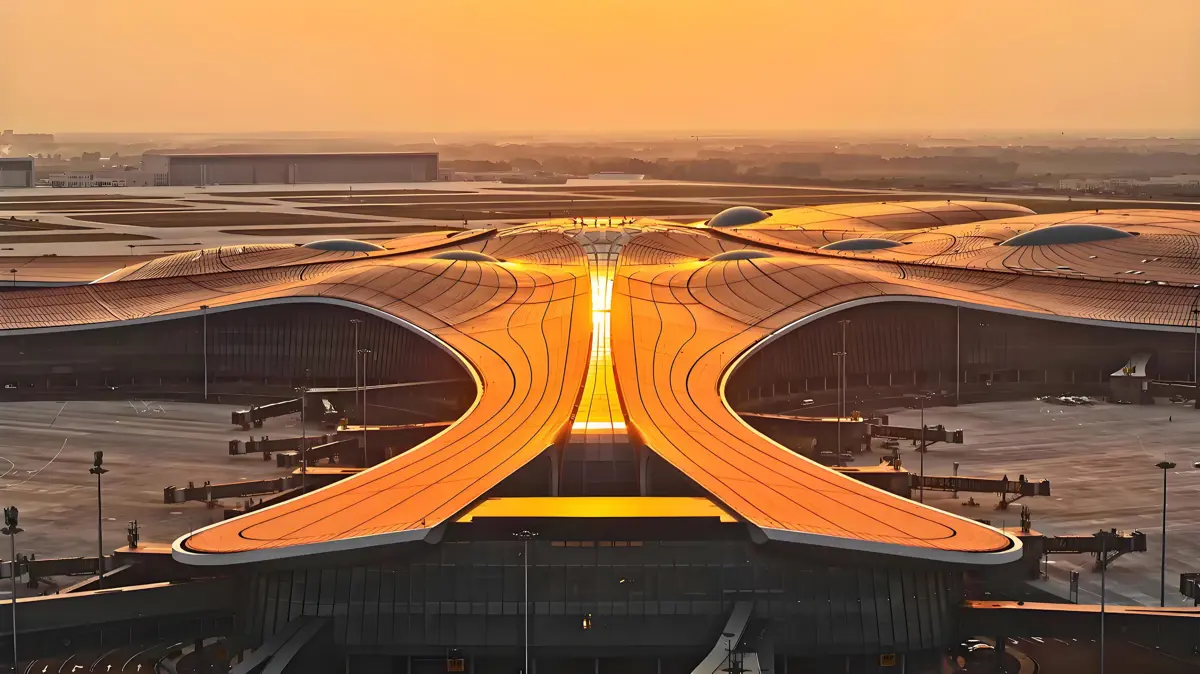
Switching the Runway to LED Was No Easy Call
Today, LED airfield lights are commonplace. But at the time Daxing’s design was being debated, LED had already taken hold for taxiway lighting in China, while runway lights were still mostly conventional halogen lamps.
For an international hub like Daxing, going straight to LED runway lights in the runway lighting system was a decision that warranted caution.
Opinions split during the design review. One side supported LED runway lights and a chance to try new technology at a brand-new airport. The other was more cautious: runway lighting bears directly on flight safety, and any new technology has to be thoroughly proven.
The disagreement was no surprise. The more important the airport, the more carefully any new technology has to be weighed.
A Dedicated Technical Review
To settle it, the project team invited Airsafe’s chief engineer to Beijing for a dedicated technical review.
Airsafe’s chief engineer took the panel through the technology behind the runway LED light, how mature the product was and where it had already been deployed — chief among the case being that the light was already in service at Leeds Bradford Airport in the UK.
For a new light headed for the runway, specs matter; one successful reference matters more. The Leeds Bradford deployment gave the review a proven engineering case to point to.
After extensive discussion, the project did not go all in. It chose a more measured path: of the four runways, one would take LED runway lights from Airsafe, and the rest would stay with the conventional solution.
Not four runways at once — one step first.
It was a real reflection of how cautiously major hubs handled new technology at the time.
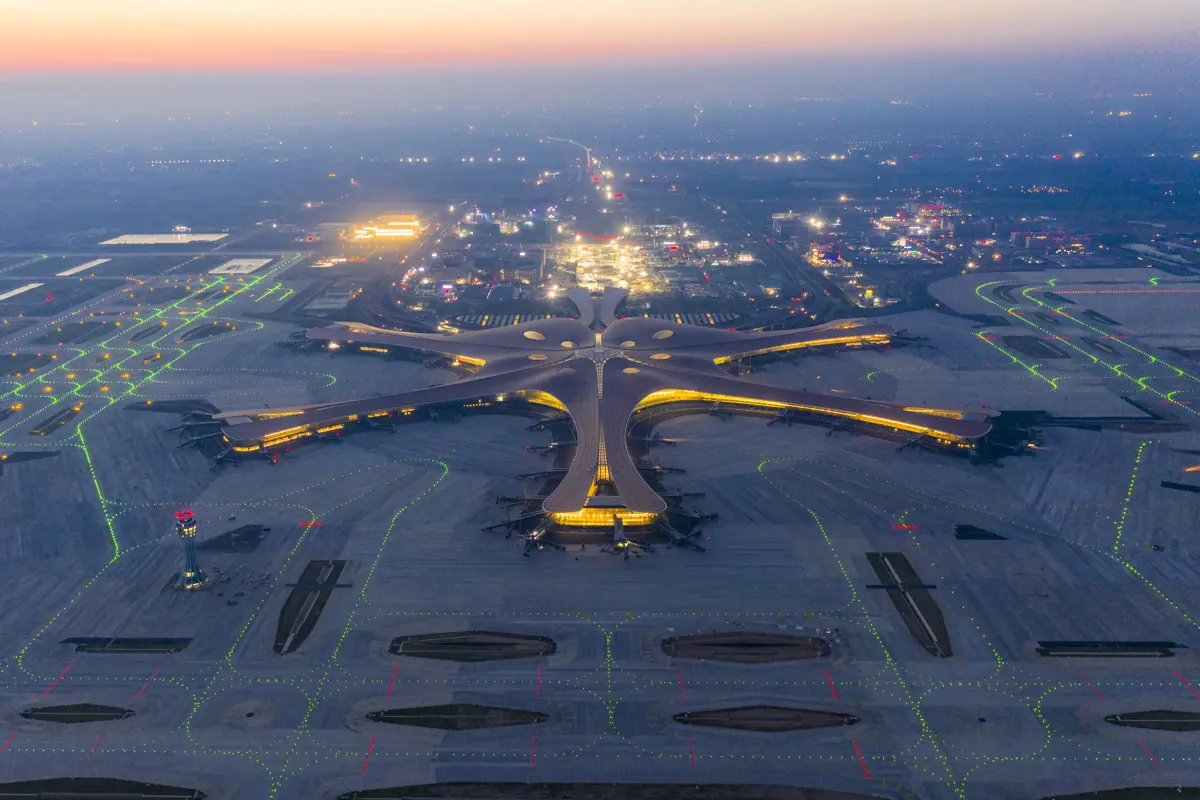
The Real Answer Was on the Runway
The technical review settled whether the light could be used. Getting it onto a runway raised a further topic: performance.
Before Daxing went into service, its runway lighting went through flight inspection. The airport deliberately picked the runway fitted with LED lights for the check. Li Qiang, then Deputy Administrator of the CAAC, took part. When it was over, he rated the LED runway lighting highly, as well as the inspection crew.
For a light that had already been through a technical argument, praise earned in actual flight carried extra weight.
After all the struggle and sweater, the LED runway light had gone from a proposal on a meeting-room table to a working system on a real runway.
Looking back years later, it is easy for the builders to feel a pang of regret that risk control meant only one runway went LED. But given the technology and the safety requirements of the time, that caution is entirely understandable.Airsafe is delighted to take this step together with Beijing Daxing International Airport.
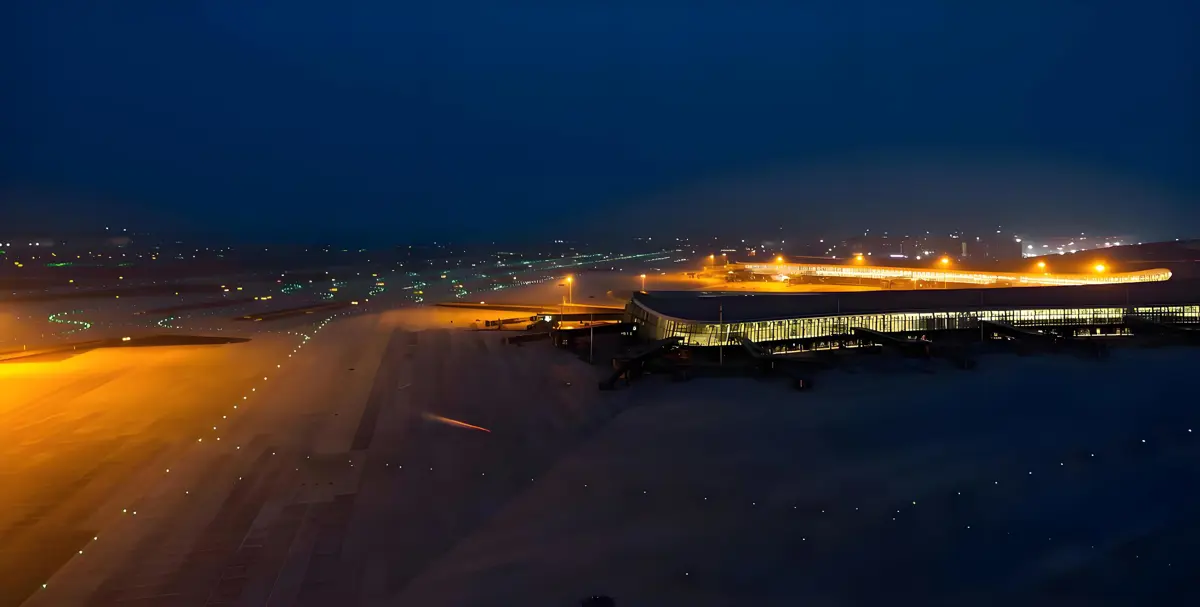
It Started With One Runway
Daxing was one of Airsafe’s largest projects, and 34,763 sets of airfield ground lighting equipment speak to its scale. Meanwhile, the LED runway carries a different kind of significance.
It records the whole arc of a new technology: the argument, the review, the chance to be used, and finally the test of real flight.
When equipment bears directly on safety, new technology should not earn its place on novelty alone.What actually gets a technology onto a runway is thorough review, real engineering precedent, and a track record that speaks for itself.
Progress was not a dramatic technological revolution. It was one step forward, taken after full discussion and careful deliberation.
For Airsafe, that runway records more than a single equipment installation. It marks the moment its LED runway light moved from overseas deployments to a major domestic hub.