
Featured
Rikaze Tingri Airport Airport
Shigatse Tingri Airport
A Test at 4,316.5 Meters —The Airfield Lighting Project at Rikaze Tingri Airport Airport, Tibet
Supply
- Products supplied
- Approach Lighting Runway Lighting Taxiway Lighting Power Supply Equipment Guidance Signs Wind Cones Airfield Lighting Control and Monitoring Systems
- Quantity
- Nearly 18,000 sets of various AGL equipment
By scale, Rikaze Tingri Airport in Tibet is not one of the biggest projects in Airsafe. As for Airsafe, it has always been a milestone.
Tingri Airport was built with support from Shanghai Pudong International Airport, which staffed the construction headquarters entirely with its own experienced people. Facing an airport at 4,316.5 meters, the team put engineering quality and equipment reliability first from day one.
In specifying the airfield lighting, the headquarters decided — for the sake of construction quality — that every major item would come from Airsafe: lights, constant current regulators (CCRs), individual light monitoring, the airfield lighting monitoring system and signs.
It was the first time Airsafe supplied a complete airfield lighting product family to a civil airport under one brand. It marked an important move from single products to a complete system.
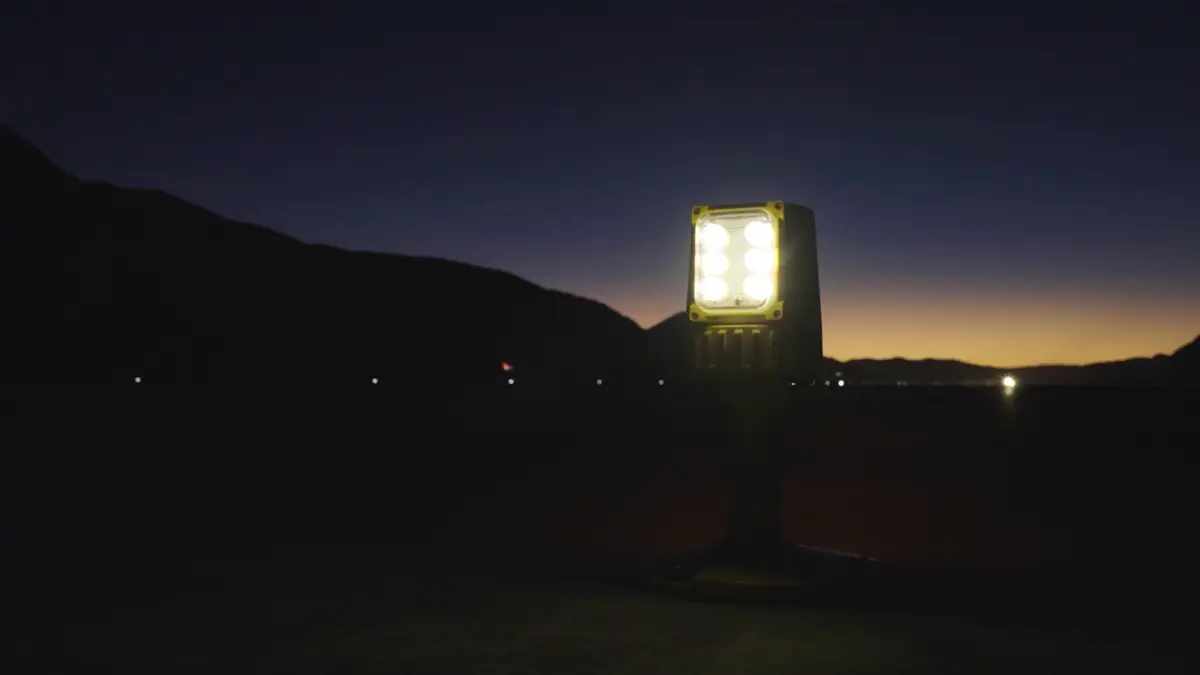
4,316.5 Meters: The Plateau means Difficulties
Tingri Airport sits at 4,316.5 meters. For airfield lighting equipment, that altitude is a test in itself.
As altitude rises, air pressure falls, which weakens the insulating capacity of air and changes how equipment dissipates heat. Low temperatures, wide day-night swings, intense ultraviolet radiation, wind and snow then put further pressure on insulation, materials, sealing and long-term stability.
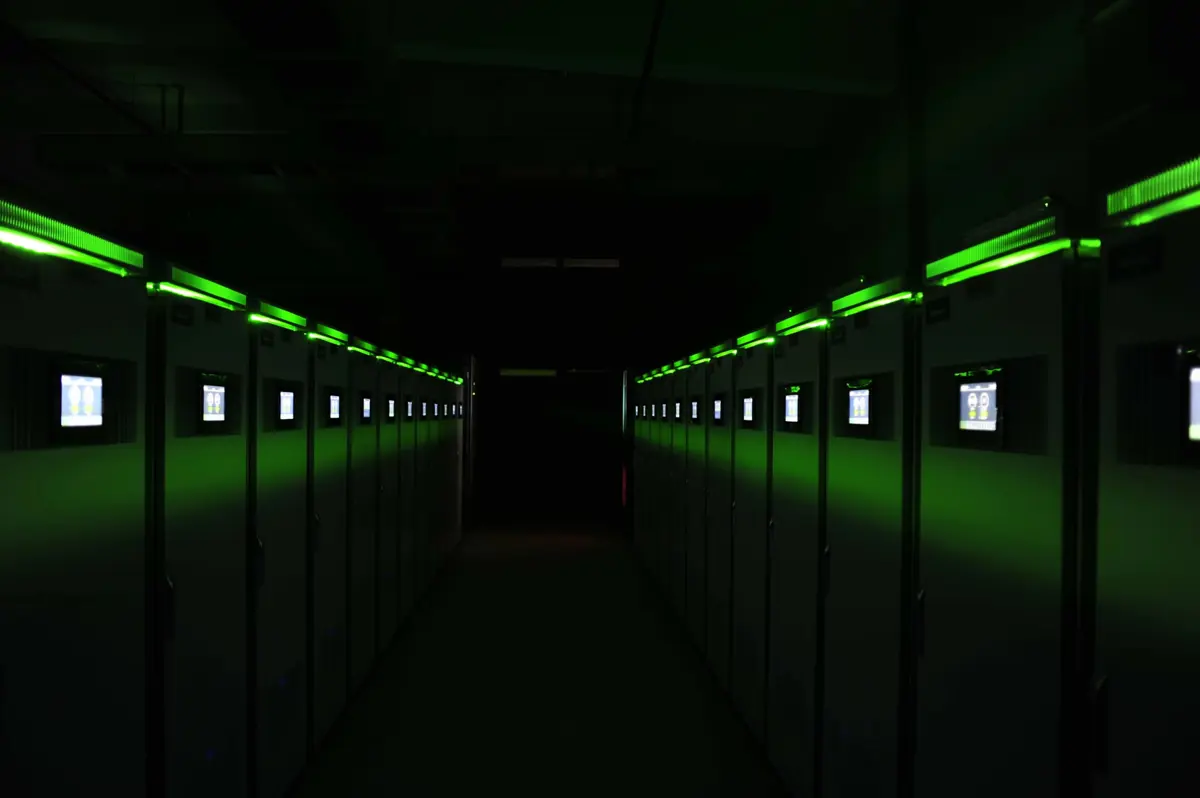
Among the whole system, the constant current regulator (CCR) faced the toughest test. The CCR is one of the core units in airfield lighting power supply, and the ones at Tingri Airport run at up to 5,000 V. At 4,300 meters, a high-voltage device like that has to contend with insulation, discharge and load problems all at once.
For the plateau, Airsafe built margin into every part of the CCR — component selection, power headroom, structure and insulation — and applied a derating approach, designing external cabling to withstand voltages in the tens of thousands of volts.
On site, every CCR started up on the first attempt. Five years into service, the equipment has held up to the plateau.
That is what makes Tingri Airport special for Airsafe: not a plateau simulated in a lab, but CCRs and a complete airfield lighting system taken up to 4,316.5 meters, to be tested over years in a real airport on the snow plateau.
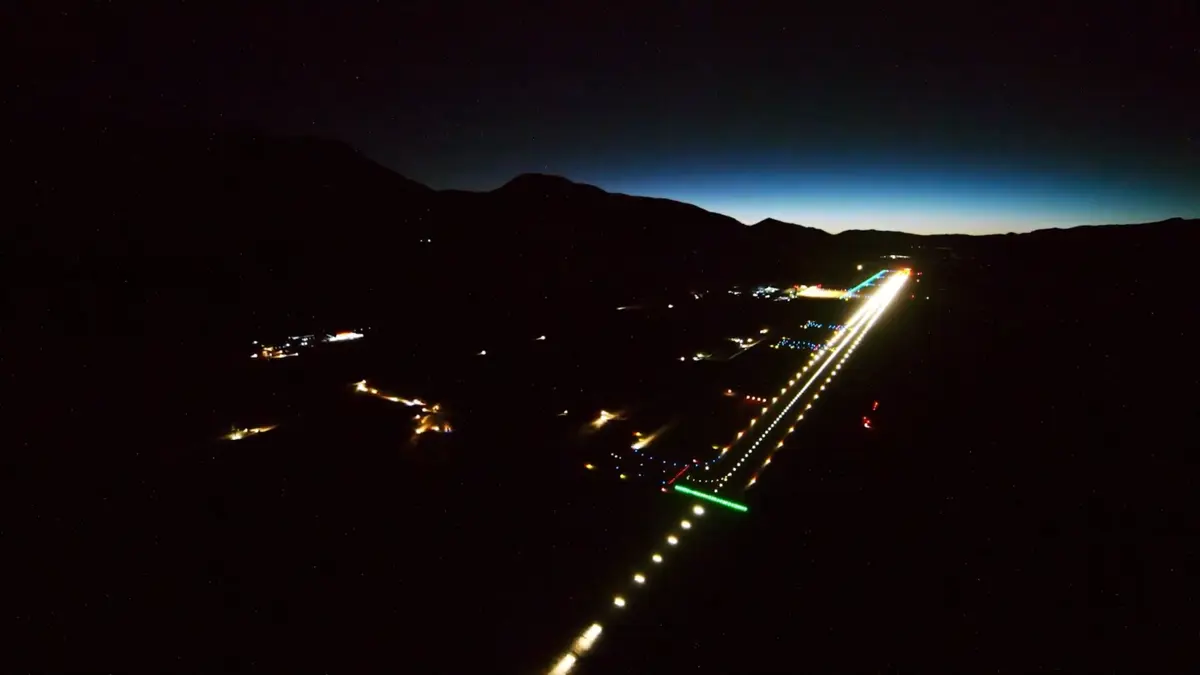
The plateau climate really puts people to the test
Equipment has to adapt to 4,316.5 meters. So do the people.
The project ran during the COVID-19 pandemic, which made getting people on site, arranging transport and supporting the work harder than usual. Airsafe sent its technical staff to the site to help with equipment checks, system commissioning and technical support.
At over 4,000 meters the air is thin, physical effort costs far more, and altitude sickness can hit at any moment. Add low temperatures, wind, snow and harsh ultraviolet light, and work that looks routine at a lowland airport becomes hard.
But engineering standards do not drop because the altitude rises. Every item of equipment had to be checked, every circuit confirmed, every system brought up step by step. The plateau tested the product, and it tested every technician on site.
The Answer Came at Acceptance
In the end, the project came up for industry acceptance.
The acceptance panel brought together civil aviation officials, experts from the airport’s design and consulting firms, and the owner’s representatives. They reviewed equipment operation, system functions and installation quality on site.
After on-site inspection and system testing, Airsafe’s airfield lighting equipment passed industry acceptance on the first attempt, with not a single rectification item raised against it, and the panel gave the equipment and systems its unanimous approval.
For the people who built it, nothing could be more satisfying. The equipment design, system matching and on-site commissioning done for a plateau environment had all held up to real testing.
A Milestone That Stays
Zero rectifications was the result the project delivered. But what stayed with the Airsafe team was more than that.
The first time Airsafe supplied a complete airfield lighting system to a civil airport under one brand. The first time core equipment such as CCRs was tested over the long term at 4,316.5 meters. The first time Airsafe technicians commissioned and supported a full system on a plateau like this. Together, those firsts are what Tingri Airport means to Airsafe.
The milestone is not about the size of the project. It is about a step Airsafe had never taken before.
For Airsafe, Rikaze Tingri Airport Airport Airport will always be a milestone.