
Featured
Spain Madrid Barajas International Airport
When the Site Can’t Be Changed, The Product Must—Solving a Light Failure at Madrid Airport
Supply
- Products supplied
- Runway Lighting Taxiway Lighting Guidance Signs
- Quantity
- Nearly 15,000 sets of various AGL equipment
Behind More Than 15,000 Sets of Equipment
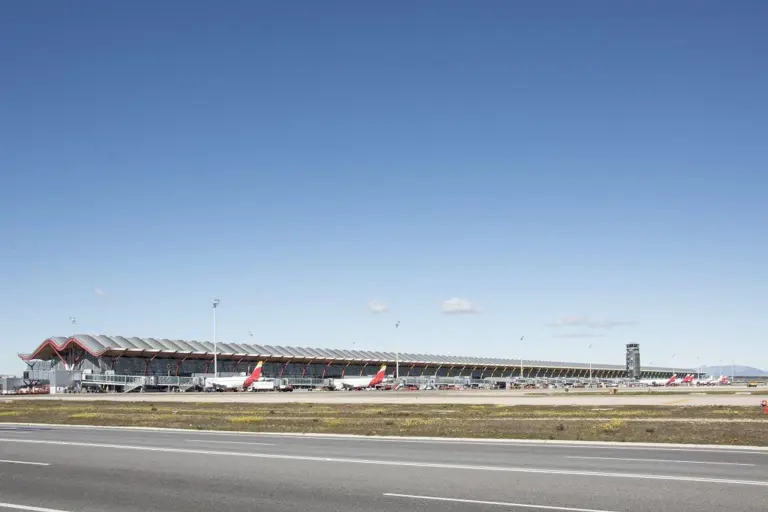
Adolfo Suárez Madrid–Barajas Airport is one of Spain’s most important international hubs. Its scale and heavy traffic place high demands on airfield ground lighting equipment, which has to run steadily and be reliably maintained.
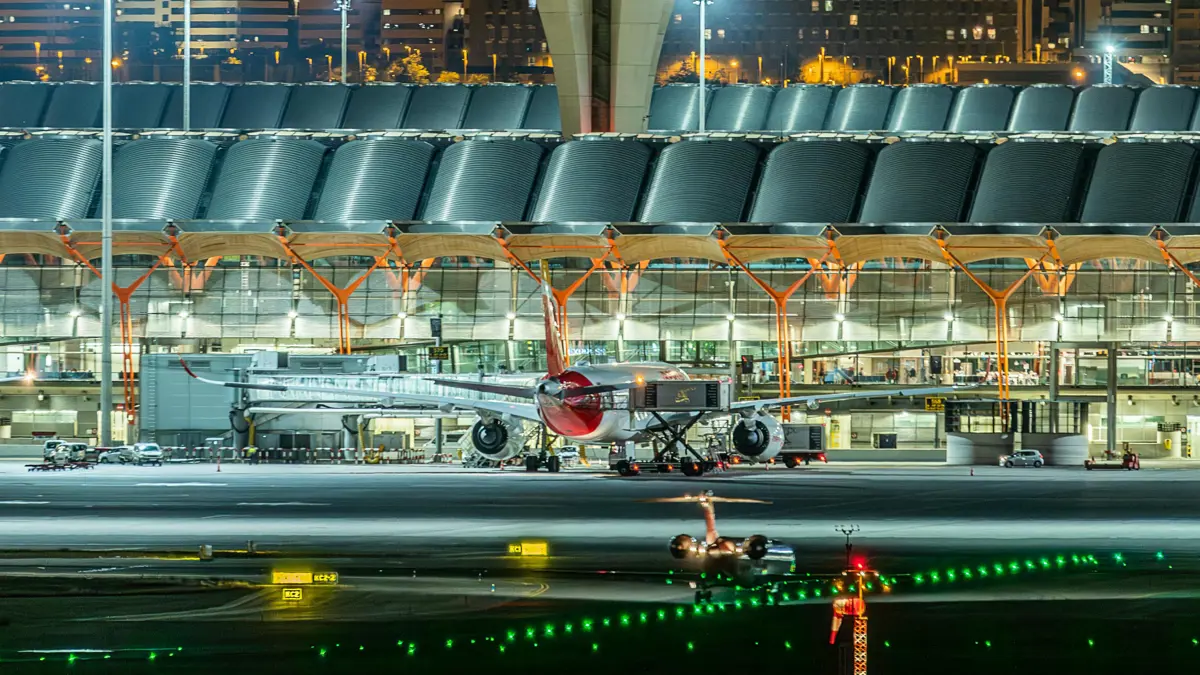
Over the years, the airport has taken delivery of more than 15,000 sets of airfield lighting equipment from Airsafe,. Today, over half of the airfield lighting equipment in service at Madrid comes from Airsafe.Within that long partnership, There is one light failure in 2019 still worth revisiting.A batch of dual-circuit runway centerline lights began burning out circuit boards, again and again.
Why Were the Same Lights Failing Here?
The airport’s technicians investigated repeatedly, but the replaced lights kept failing the same way.
This was clearly not something to solve one light at a time. The question was why the same failure kept coming back.
When Airsafe stepped in, we noticed something important: the same model was in heavy use at Beijing Daxing International Airport, and no comparable failures had been reported there.
If the light had a general design flaw, why was it running fine at another major airport?
That difference pushed the investigation away from the light itself and toward the actual electrical conditions on site.
After repeated rounds of checking the power supply, the grounding arrangement and how the lights were operating, the answer came down to a local electrical condition.The power grid of this airport was grounded while the lights themselves were not. When grid voltage fluctuated, that combination sent extra surges into the lights’ internal circuitry — a major factor behind the repeated board failures.
Finding the Cause Was Only Half of It
After figuring out the reason, the most direct fix was to add grounding to the lights on site.
But at a major hub already in operation, something being technically possible does not make it practical.
Madrid has a lot of lights, all of them in service. Reworking the existing wiring and grounding at scale would have meant heavy work, high cost, complex site logistics and disruption to airport operations.
In the end, the airport did not go for large-scale work on site.
So the question turned around:
If the airport’s existing conditions cannot change, can the product adapt to the airport?
When the Site Can’t Change, the Product Must
Airsafe’s R&D team took the problem back to the light itself.
Working from the confirmed failure pattern and the airport’s real electrical conditions, the engineers went back over the design of the light source section. One key change was to replace the aluminum substrate with a copper one, along with targeted optimization of the related design, so the product could cope with the unusual conditions on site.
The change came with one firm condition: the existing situation of the airport would stay as it was.
The airport would not be rebuilt around the lights; the lights would be adjusted to the conditions the airport already had.
Once the revised lights went back into service, the recurring board failures stopped.
Spot the problem on site, compare conditions across airports, adjust the product back at the factory, then return it to the airport to be tested in service — the episode closed a full engineering loop.
More than a problem solved
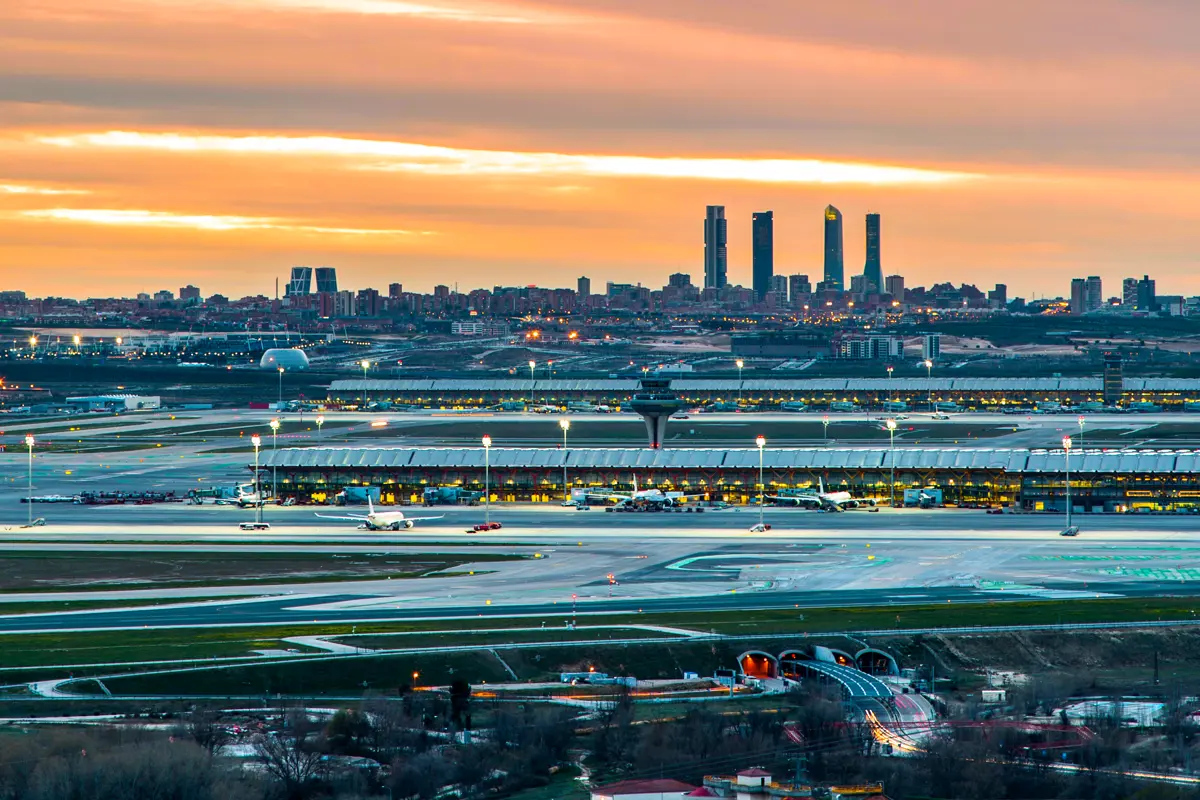
Look at the more than 15,000 sets of Airsafe equipment now at Madrid, and the number is about more than shipments.What happened in 2019 says more about how a long partnership gets built step by step.
When something goes wrong, can you find the real cause?
Once you've found it, can you offer a solution the airport can actually apply?
When site conditions cannot move, can the product adapt to them?
And after adapting, does it survive years of service?
Those specifics say more than any claim about excellent product performance.
For Airsafe, Madrid left behind more than a supply record of over 15,000 sets.
What is worth remembering is a very plain piece of engineering wisdom:
When the site can’t change, the product must.
Let the product adapt to a real airport .